Source Gift Paper Tube for Cosmetics, Food, and Jewelry
Compare 30 gift paper tube options from verified manufacturers in China. These customizable cylindrical containers feature offset printing and eco-friendly materials suitable for cosmetics, food, and jewelry packaging needs; compare the available evidence and request quotations based on your requirements.
Key considerations
Products List


Comprehensive Sourcing Guide
Gift Paper Tube Sourcing Guide
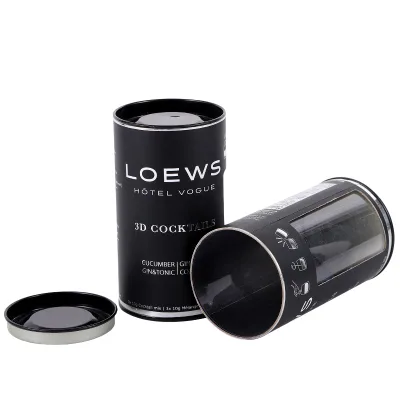
Buyers evaluating gift paper tubes must first recognize the diverse application landscape supported by current market listings. These cylindrical containers are frequently utilized for cosmetics, jewelry, electronics, and food items, indicating a versatile utility across multiple retail sectors. The observed product attributes confirm that these tubes serve as effective packaging for health care products, toys, and greeting cards, making them suitable for a broad range of promotional and retail needs.
When initiating a search, procurement teams should note that customization is a primary feature of this category. Suppliers typically offer tailored solutions for branding, including logo printing and specific color schemes to match corporate identity. The availability of custom shapes, such as round or cylindrical forms, allows buyers to select designs that best fit their specific product dimensions while maintaining the structural integrity required for high-end gift presentation.
Product Scope and Observed Listing Signals
The market for gift paper tubes displays a wide range of material compositions, primarily utilizing cardboard and coated paper to ensure durability. Listings indicate that these products are often designed with eco-friendly attributes, aligning with modern sustainability goals in packaging. The surface treatment processes observed include offset printing and hot stamping, which provide high-quality finishes essential for premium gift packaging applications.
Buyers should also verify the specific packaging methods used for bulk shipments, as this impacts logistics costs. Observed data suggests that products are often packed in cartons or customized paper cartons to prevent damage during transit. The weight of individual units is generally under 0.5 kg, which simplifies handling and reduces shipping expenses, though the total volume will depend on the specific order quantity and tube dimensions.
Technical Specifications to Verify
Technical due diligence requires confirming the exact paper type and structural dimensions of the tubes. While some listings specify coated paper, others may utilize standard cardboard, so verifying the material grade is critical for ensuring the tube can support the weight of the intended contents. The shape is predominantly round or cylindrical, but buyers must confirm that the internal diameter and height match their product requirements to avoid fitment issues.
Surface treatment options significantly influence the final aesthetic and protective qualities of the packaging. Buyers should explicitly request samples to test the adhesion of offset printing or hot stamping, as these processes can vary in quality between manufacturers. Additionally, the design artwork formats accepted, such as AI, PDF, or EPS, must be confirmed early to ensure that the supplier can accurately reproduce the desired graphics without technical errors.
Compliance and Safety Documentation
Ensuring regulatory compliance is essential, particularly when the tubes are intended for food or cosmetic applications. The observed listings mention certifications such as ISO and CE, which suggest a baseline of quality management and safety adherence. However, buyers must verify if specific food-grade certifications are available, as general ISO standards may not cover direct food contact requirements without additional validation.
Environmental certifications like FSC are also present in the market data, indicating a commitment to sustainable sourcing. Procurement teams should request proof of these certifications to validate claims regarding the eco-friendly nature of the paper used. This verification is crucial for brands aiming to meet strict environmental standards and to ensure that the supply chain aligns with corporate sustainability mandates.
Cost Drivers and Commercial Terms
Pricing for gift paper tubes is influenced by several variables, including the complexity of customization and the volume of the order. The observed minimum order quantities typically range from 100 to 1000 units, with some suppliers setting a specific MOQ of 500 pieces. Buyers should anticipate that lower unit costs are achievable only when ordering at the higher end of the volume spectrum, as setup costs for printing and molding are amortized over larger batches.
Lead times are another significant factor in the total cost of ownership, with bulk production often requiring 12 to 18 working days. Sample lead times are generally shorter, around three weekdays, but buyers must account for shipping costs when requesting free samples. Understanding these timelines is vital for planning inventory levels and ensuring that the packaging arrives in time for product launches or seasonal sales events.
Supplier Qualification and Quality Control
Supplier qualification should focus on verifying their business type and manufacturing capabilities. The market data indicates that many suppliers operate as manufacturers or factories, which can offer better control over production quality and pricing compared to trading companies. Buyers should confirm the specific origin of the goods, as locations like Shenzhen and Zhejiang are known hubs for packaging production, though this may vary by specific vendor.
Quality control processes must be clearly defined before placing an order. Buyers should inquire about the supplier's inspection protocols for surface treatments and structural integrity to ensure consistency across the batch. Requesting a pre-production sample is a prudent step to validate that the final product meets the agreed-upon specifications regarding color, shape, and print quality before full-scale manufacturing begins.
Long-Term Procurement Checks
Establishing a long-term partnership requires regular audits of supplier performance and consistency. Buyers should monitor the supplier's ability to maintain lead times and quality standards over multiple production cycles. Consistency in the paper type and surface treatment is essential to maintain brand integrity, so any deviations from the initial sample should be addressed immediately to prevent supply chain disruptions.
Continuous communication regarding design updates and market trends is also necessary for long-term success. As packaging trends evolve, suppliers should be able to adapt their offerings to include new eco-friendly materials or printing techniques. Maintaining a flexible relationship allows buyers to respond quickly to changes in demand or regulatory requirements, ensuring that their gift packaging remains competitive and compliant in the marketplace.
FAQs
What certifications do the gift paper tubes have?
The gift paper tubes carry ISO, CE, and FSC certifications. These standards ensure the products meet international quality and safety requirements for various industries including cosmetics, food, and medicine applications.
Can I request custom printing on these tubes?
Yes, custom printing is available with logo options and offset printing or hot stamping processes. Buyers can provide artwork in formats like AI, PDF, or JPG to achieve the desired design on the cardboard surface.
What is the minimum order quantity for these tubes?
The minimum order quantity ranges from 100 to 1000 pieces depending on the specific product model. Some listings specify an MOQ of 500 pieces for standard cylindrical or round tube packaging solutions.
How long does bulk production take for these tubes?
Bulk production typically requires 12 to 18 working days to complete. Sample lead time is shorter at about three weekdays, while full orders generally need two to three weeks for manufacturing and packing.
Where are these gift paper tubes manufactured?
These tubes are manufactured in China, specifically in locations like Shenzhen and Zhejiang. The origin ensures access to established manufacturing facilities capable of producing medium-sized packaging pots and cylindrical boxes.
Are these tubes suitable for food and cosmetics?
Yes, the tubes are designed for use in food, cosmetics, medicine, and chemical industries. They are made from recyclable paper materials and are eco-friendly, making them safe for various consumer product packaging needs.
What packaging options are available for shipping?
Products are packed in customized packages or standard export cartons. The packaging ensures safe transport, and the weight of individual units remains under 0.5 kg for efficient handling and logistics.